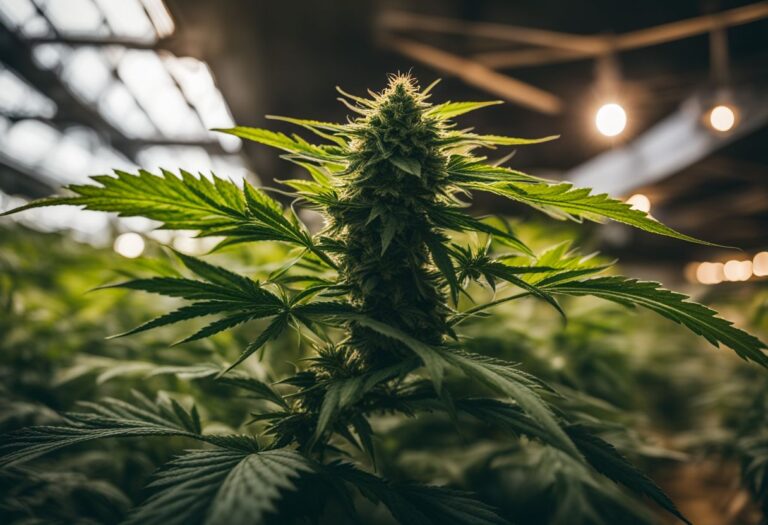







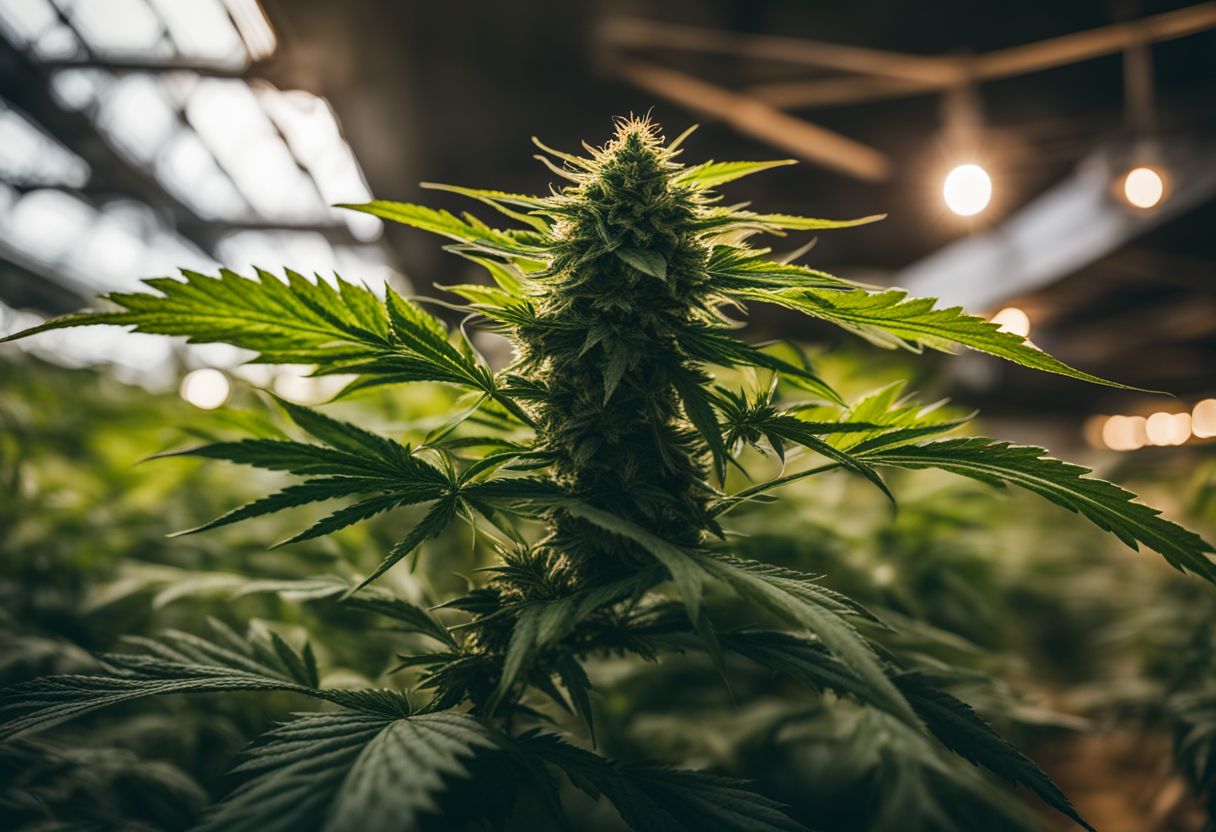
THCA flower can look familiar, yet chemistry changes its effects. Before heating, the plant contains THCA rather than active THC. That difference matters when judging expected sensations and preparation choices. The thca flower vs thc flower distinction becomes clearer through activation, storage, dosage, and consumption methods. Understanding those details helps create more realistic expectations before use.
THCA Flower Begins With Different Chemistry
Fresh cannabis flower naturally contains acidic cannabinoids. THCA remains non-intoxicating until heat changes its structure. During smoking or vaping, decarboxylation converts THCA into THC. That reaction explains why heated material feels different from raw flower. Preparation therefore becomes part of understanding the product itself.
A simple comparison helps clarify the change:
- Raw flower retains more THCA before heating.
- Heated material contains more activated THC.
- Temperature influences how much conversion occurs.
- Preparation can change the resulting experience.
Heat Changes The Expected Experience
Once heat reaches the plant material, cannabinoid chemistry begins shifting. THC can then produce familiar psychoactive effects. The intensity still depends on dose, tolerance, and delivery method. Because those factors vary, identical products can feel different across situations. A measured approach therefore gives consumers clearer feedback.
Where Does THCA Flower Fit?
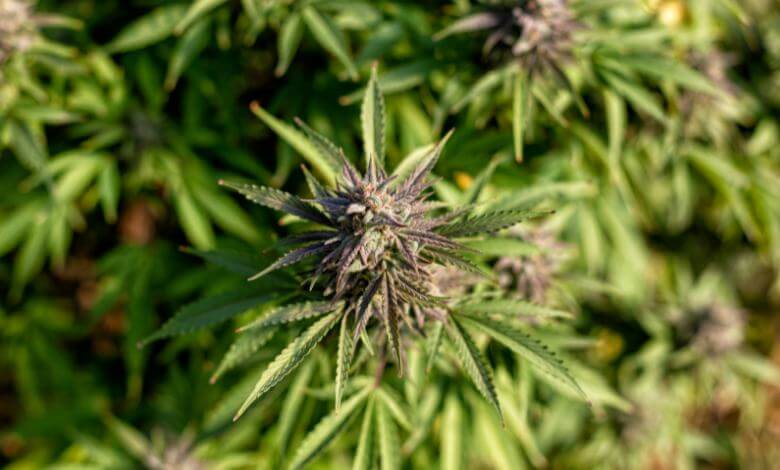
The thca flower vs thc flower comparison becomes useful during product selection. Someone seeking raw cannabinoid content may avoid unnecessary heating. Another consumer may expect activated effects from smoking or vaporization. Neither choice makes sense without understanding preparation first. Product labels can then provide useful supporting information.
Useful details include:
- Laboratory results can clarify cannabinoid percentages.
- Storage conditions may affect chemical stability.
- Heating method influences final cannabinoid composition.
- Intended use should guide preparation choices.
Can Storage Alter Flower Characteristics?
Heat does not need a lighter or vaporizer. Extended exposure can encourage gradual chemical changes during storage. Light, oxygen, and moisture may also affect plant quality. For that reason, controlled storage protects the original material more effectively. A cool, dark location offers a practical starting point.
Still, storage cannot restore cannabinoids after conversion occurs. Once chemical changes happen, the original profile may differ. This distinction makes handling relevant before consumption begins.
Which Details Shape Personal Effects?
Individual response adds another layer to cannabinoid experiences. Body chemistry, tolerance, amount, and delivery speed can all matter. Smoking may produce effects sooner than slower consumption methods. Higher amounts can also create stronger sensations and unwanted discomfort. Careful measurement helps reduce avoidable surprises.
Practical habits can support clearer judgment:
- Start with measured amounts rather than guessing.
- Read available testing information before making choices.
- Consider personal tolerance before changing quantity.
- Keep preparation consistent when comparing experiences.
Chemistry Can Improve Everyday Cannabis Decisions
Clear terminology becomes useful when practical choices follow. THCA represents the acidic precursor found in fresh flower. THC represents the activated form created through decarboxylation. Earlier, heat showed why those forms behave differently. That small chemical distinction can change expectations before consumption. A better understanding of the process turns product labels into more useful information.