









Women often approach wellness with one clear priority. Skin quality may matter after treatment, while recovery becomes important after strenuous training. Metabolic health can also shape longer-term goals. Plastic Surgery Key peptides for women guide offers a useful starting point for understanding how peptide choices can differ. Each compound has a specific biological purpose, so selection should follow the desired outcome rather than general popularity.
Skin Support Starts With Collagen Needs
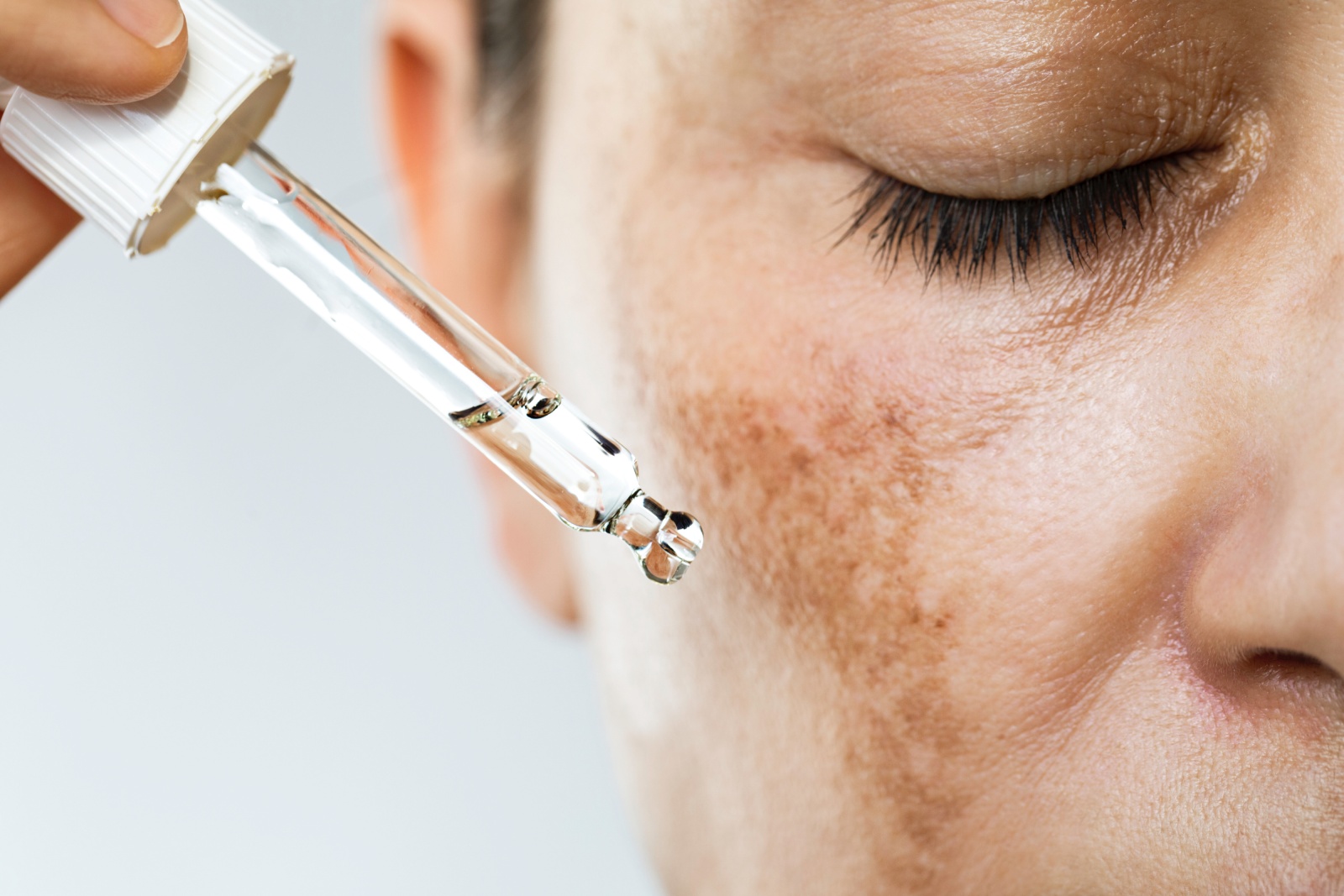
For smoother-looking skin, collagen support can matter most. Collagen peptides provide amino acids used in connective tissue. That nutritional role makes them relevant for women focused on skin firmness. Topical formulas take another route, supporting surface appearance through targeted cosmetic care.
Practical priorities include:
- Collagen intake can complement balanced nutrition.
- Daily sun protection helps preserve skin quality.
- Hydration supports normal skin function.
- Professional advice matters before injectable use.
Recovery Goals Need A Separate Approach
Recovery demands change after exercise or procedures. Tissue repair requires protein, rest, and adequate energy. Certain peptides receive attention for repair-related pathways, although evidence differs between compounds. A woman recovering from surgery therefore needs medical guidance before adding peptide products.
Helpful foundations include:
- Protein supplies building blocks for repair.
- Sleep gives the body recovery time.
- Prescribed aftercare should remain the priority.
- New products deserve professional review.
Body Composition Follows Different Priorities
Weight-related goals involve appetite, metabolism, movement, and muscle. Certain peptide medicines act on metabolic pathways linked with appetite regulation. Their role differs from cosmetic peptide products. For women seeking body-composition changes, treatment should connect with nutrition and resistance exercise.
Useful habits can include:
- Resistance training helps protect lean tissue.
- Balanced meals support steady energy.
- Progress tracking can reveal meaningful changes.
- Clinical monitoring helps identify unwanted effects.
Could Peptides Support Healthy Aging?
Healthy aging reaches beyond visible skin changes. Muscle strength, metabolic balance, recovery, and bone health remain important. Some peptide therapies target specific physiological pathways linked with these areas. Still, evidence depends on the individual compound and intended use.
A focused plan can therefore ask:
- Which biological pathway needs attention?
- What outcome would show meaningful progress?
- Does suitable clinical evidence exist?
- What monitoring could protect long-term use?
Goal Matching Makes Peptide Choices Clearer
Purpose should guide peptide selection from the start. A woman focused on collagen support needs different considerations from someone addressing metabolic health. For those exploring Plastic Surgery Key peptides for women guide, this distinction helps separate cosmetic interests from medically supervised treatment.
A clear decision process considers:
- The desired result comes first.
- Product evidence deserves careful examination.
- Delivery methods can change risk.
- Individual history affects suitability.
Specific Goals Shape Better Wellness Decisions
A targeted peptide plan becomes clearer when goals stay specific. Collagen support, recovery, and metabolic treatment involve different biological pathways. That difference matters when expectations begin forming. A product chosen for skin care should not automatically serve weight management.
The most useful question concerns purpose. Once purpose becomes clear, unnecessary choices become easier to avoid. For example, collagen support may remain a nutritional priority, while recovery may require supervised care.