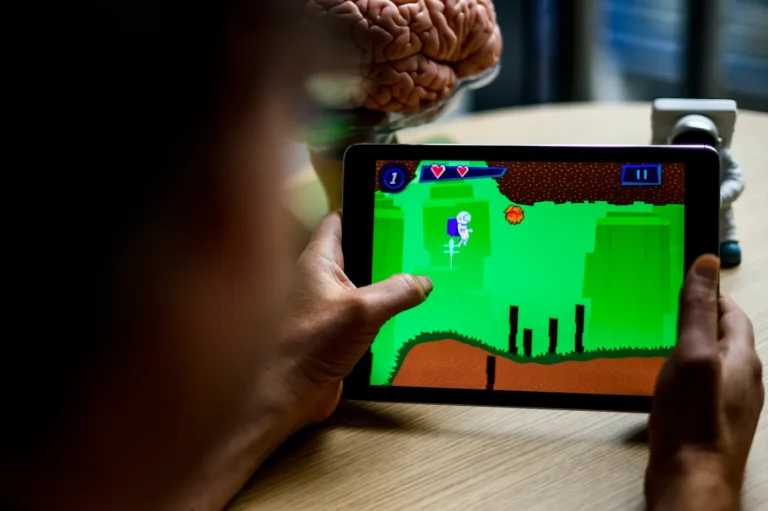







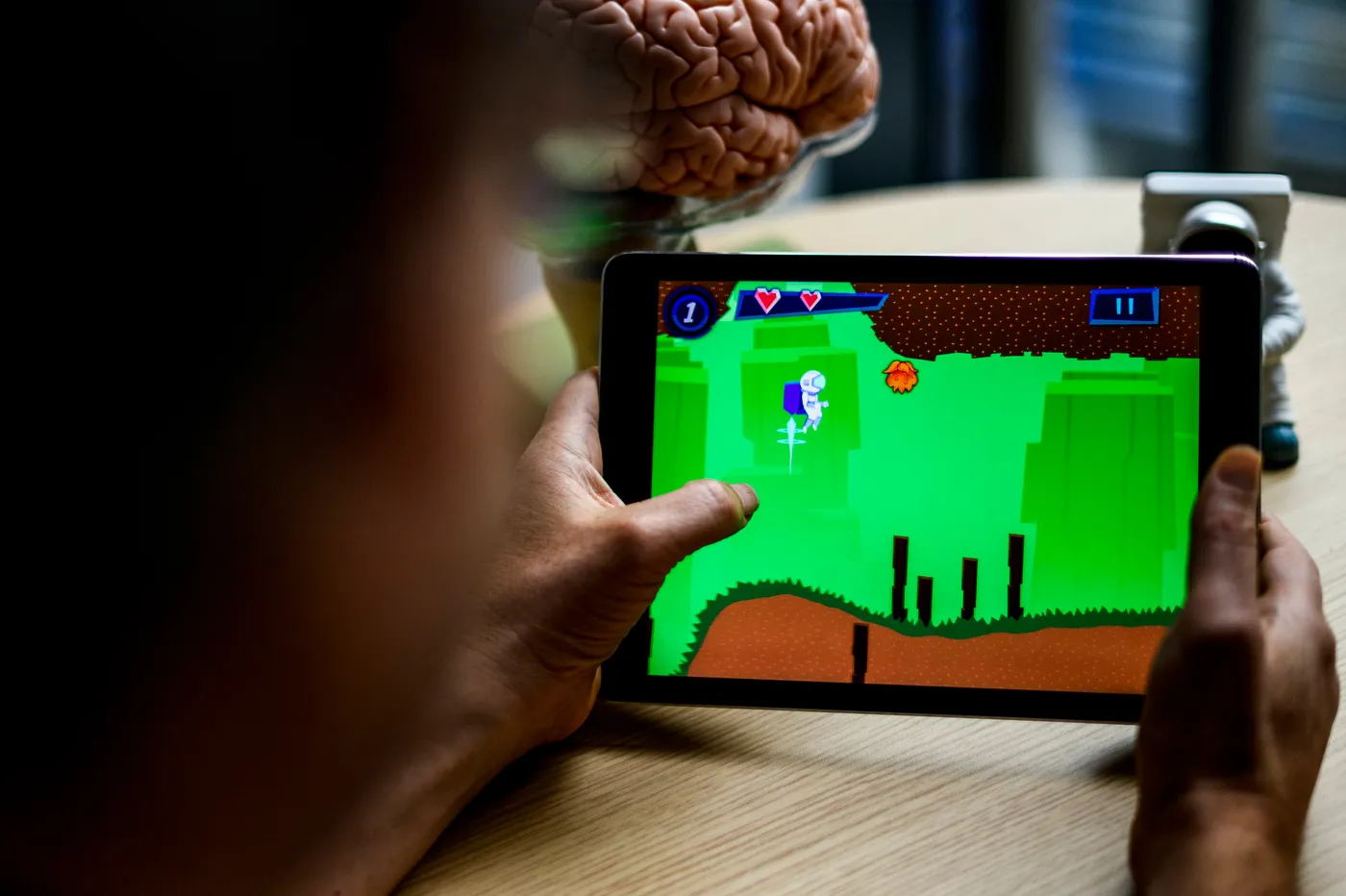
It’s lunch break, and a student has twelve minutes before the bell. Instead of scrolling, she opens a card-matching round in one of the unblocked games her school allows. Flip, remember, flip again. By the third round she’s quicker. Not because the cards got easier, but because her brain started holding positions a little longer.
Pulling Facts Out Beats Reading Them Again
Memory researchers have a name for what’s happening. They call it retrieval practice, and it’s one of the most reliable findings in learning science. Trying to recall something strengthens it more than rereading it does.
That’s why a quiz feels harder than a textbook. The struggle is the point. When you reach for an answer and it’s just out of grasp, then suddenly arrives, that small effort is what makes it stick next time.
Small Rounds, Often
A long session on Sunday won’t do much. Ten minutes on most days will.
Spacing matters. Coming back to the same facts after a gap forces the brain to dig them up again, which is exactly the workout memory needs. A quick round of unblocked games before homework, then another the next afternoon, does more than an hour spent cramming once.
Here’s what tends to work for different moments:
- Five minutes on the bus home. A trivia round in one subject.
- Before revising for a test. A matching game using the same vocabulary.
- Bored after dinner. A sequence game, just to see how far you get.
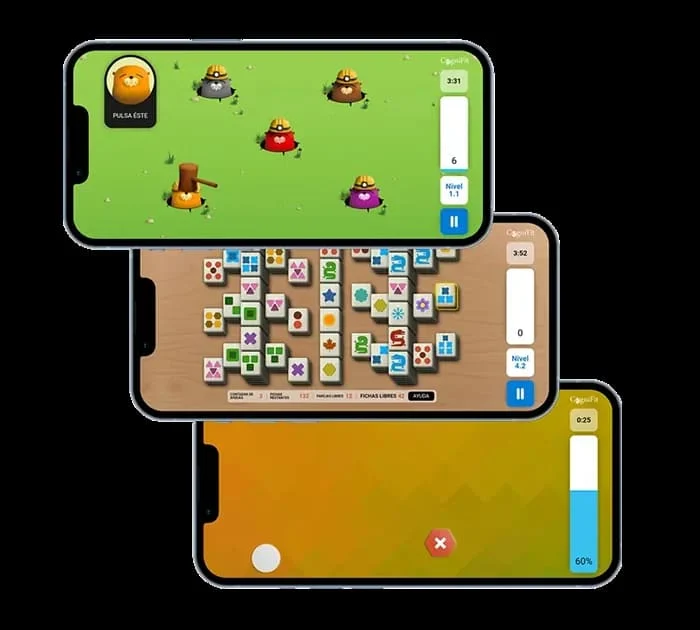
The Brain Training Promise Is Overstated
Plenty of people believe puzzle games make you smarter across the board. The evidence doesn’t really support that. Large reviews have found people get better at the tasks they practise, but those gains rarely spread to unrelated skills.
So why does the belief stick around? Partly because improvement feels real. Your scores climb, and you genuinely are sharper at that game. It’s natural to assume the effect reaches further.
The useful takeaway is simpler. Practise recalling the things you actually want to remember. A vocabulary quiz helps vocabulary. A capital city round helps capital cities.
How It Feels When It Works
There’s a moment, a week or two in, when an answer just appears. No searching, no tip of the tongue frustration. It’s oddly satisfying, and it’s the clearest sign the practice is working.
Try This Tomorrow
Pick one subject you’re studying right now. Find a short quiz on it, play a single round at lunch, and note your score on paper. Do the same the next day. After a week, look back at the numbers.